
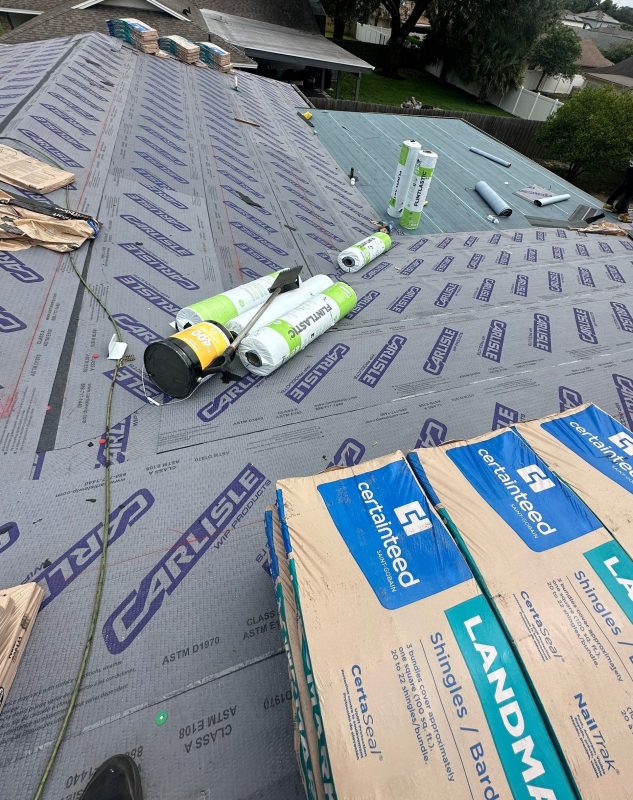
To compare roofing estimates fairly, confirm that each contractor is pricing the same roof system, materials, tear-off, flashing, ventilation, fastening, wood replacement, permits, cleanup, warranties, supervision, and exclusions. A lower total often reflects a different scope rather than the same work at a better price.
For Central Florida homeowners, how to compare roofing estimates without choosing on price alone is not just a technical question. It affects cost, property protection, insurance planning, comfort, and confidence in the contractor doing the work. The guide below explains the issue in plain language and identifies the details that matter most.
First, Make Sure the Estimates Cover the Same Work
Two proposals can use the same shingle brand and still describe very different roofs. One may include complete tear-off, new flashing, upgraded underlayment, ventilation corrections, permit costs, and detailed cleanup. Another may leave those items vague or exclude them.
Roof-System Components to Look For
- Removal and disposal of existing roofing
- Deck inspection and clearly stated wood-replacement pricing
- Underlayment type and installation method
- Starter strip and field-shingle fastening
- Drip edge or eave/rake metal
- Valley, wall, chimney, and penetration flashing
- Pipe flashings, vents, ridge caps, and ventilation work
- Permit, inspections, cleanup, and magnetic nail collection

Compare Installation Standards, Not Just Product Names
Ask how many fasteners will be used, what fastener type is specified, how valleys and walls will be detailed, and how the contractor handles existing problem areas. Product performance depends on correct installation and compatible components.
Understand Allowances and Change Orders
Wood replacement is often unknown until roofing is removed. The estimate should state what is included, the unit price for additional work, and how approval and photo documentation will be handled.
Vague language such as ‘wood as needed’ can create disagreement. Clear unit pricing protects both homeowner and contractor.

Evaluate Warranty Strength
Separate the manufacturer’s material warranty from the contractor’s workmanship warranty. Confirm the term, transferability, exclusions, registration requirements, and who will respond if a problem appears.
Look at the Contractor Behind the Number
Consider license and insurance status, years in business, local references, assigned supervision, communication, job documentation, and whether the contractor clearly explains limitations. The best proposal should make the work easier to understand—not harder.
Frequently Asked Questions
Should I make a roofing decision based only on age?
No. Age is a planning factor, but visible condition, installation quality, leak history, storm exposure, repairability, and the remaining roof system should also be evaluated.
Can a contractor guarantee that insurance will pay for the work?
No. A contractor can document roof conditions and provide an estimate, but the insurer determines coverage under the policy. Don’t forget to verify a contractor’s license before accepting any work!
Why are photographs important?
Photographs help document concealed damage, installation details, completed repairs, and conditions that cannot be seen after the roof is finished.
| Need a clear roof evaluation in Central Florida? Contact Wales Roofing for a straightforward inspection and written recommendation based on your roof’s actual condition. |