
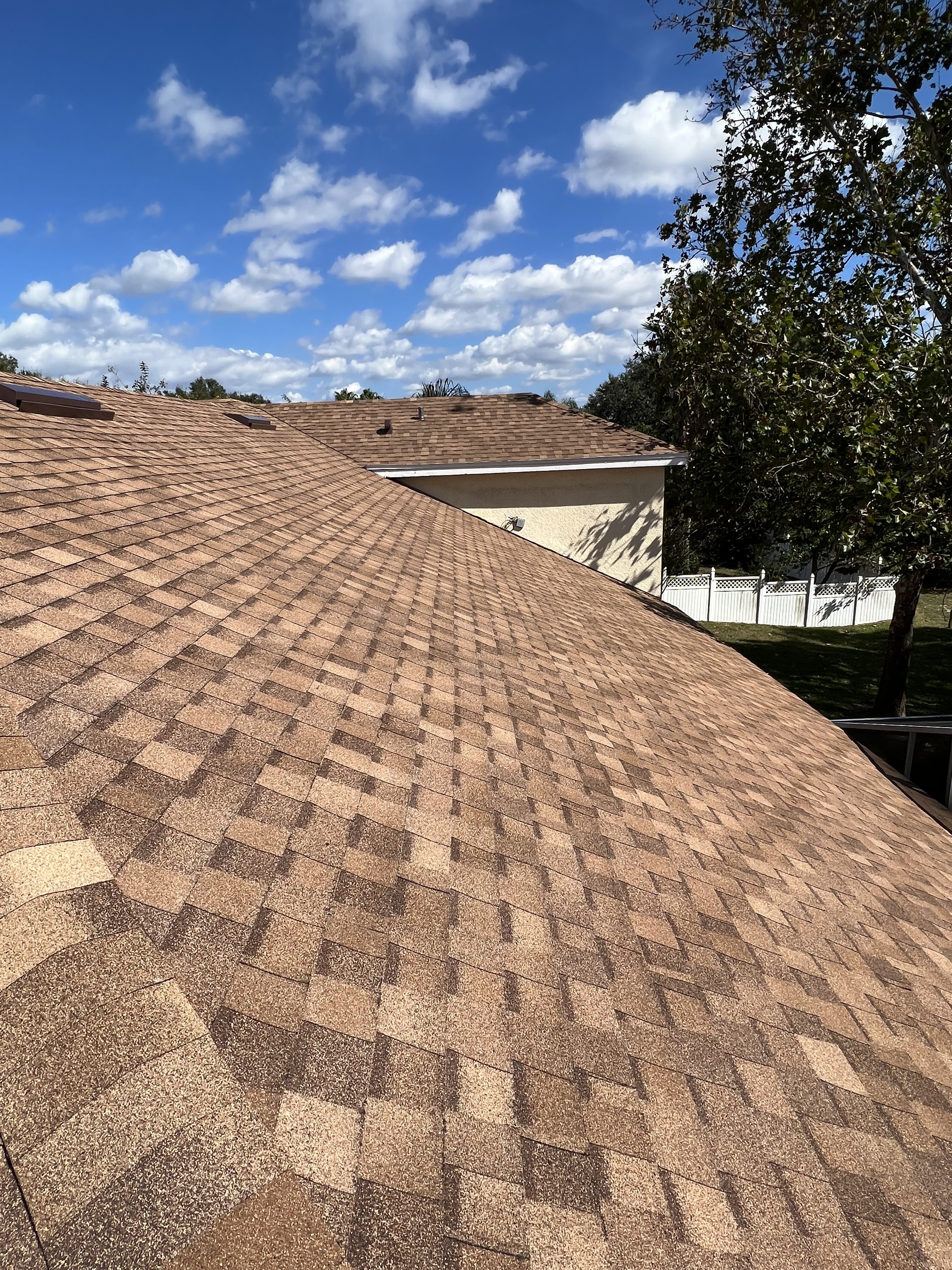
Roof replacements involve removing the existing roof structure and installing a new roof system. Replacement may be necessary if your existing roof is damaged, deteriorated, or no longer functional. In some cases, major Building Code updates may prompt insurance companies to evaluate older roofs and require replacement to remain covered. In any case, we are here to walk you through some of the steps involved in a typical roof replacement project, so you can be prepared when it’s time to begin this new chapter. For more information on how Wales Roofing can assist, check out our services here.
Initial Inspection
A roofing specialist or State Certified roofing contractor will inspect the existing roof to assess its condition and determine if a replacement is necessary. This includes looking for signs of damage, leaks, structural issues, and other problems.
Estimation for Roof Replacement
After the inspection, a new roof estimate for the cost of the roof replacement will be provided. This estimate will include the cost of materials, labor, and permits. Estimates may also include different value-added services like additional ventilation or upgraded roofing accessory options like solar attic fans. This is the time where you can discuss a variety of roof customization options to ensure you are getting everything you need for a roof catered to your needs and is built to last.
Material Selection
Once the estimate is approved, you will work with the contractor to select the appropriate roofing materials for the replacement. Options may include asphalt shingles, metal roofing, tiles, or other materials depending on factors like budget, climate, and aesthetic preferences. Make sure you ask the contractor if they are certified with any manufacturers. This may provide upgraded material warranties if specific products are utilized.

Roof Replacement Preparation
Before beginning the roof replacement, contractors and their crew will prepare the site. This may involve removing any existing roofing materials, such as shingles or tiles. They will also inspect the underlying roof deck for damage and make any necessary repairs. It is important to realize that companies cannot determine how much wood decking is damaged until the installation has started. As the homeowner, you can make sure you request pictures for proof of any damaged or decayed wood. This can help you prepare for any additional costs that may occur when the final bill comes around.
Installation
The new roofing materials should be installed according to the manufacturer’s specifications and industry best practices. This may involve laying down underlayment, installing flashing, and then applying the chosen roofing material. Contractors and their crews should be current and knowledgeable on the latest applicable Building Code. If you have questions, the contractor or foreman should be on site and ready to assist.
Cleanup
Once the new roof is installed, the site will be cleaned up and debris removed. This will ensure that your home is safe and tidy. Many times, metal sweeps are utilized during and after the installation in order to maintain a clean work site. If you notice more-than-normal debris left behind after the work is completed, the contractor should be informed.
Final Inspection
A final inspection is typically conducted to ensure that the new roof meets building codes and quality standards. This inspection may be carried out by the contractor or a building inspector depending on local regulations. The roofing or construction permit should remain outside at all times. Equally important, the permit should be in a conspicuous location until after the final inspection is completed and approved.
Roof Replacement Warranty
Many roofing materials come with warranties from the manufacturer. Additionally, the contractor may also offer a warranty on the installation work. Be sure to review and understand any warranties associated with your new roof. Most importantly, upon receipt of any warranty paperwork, verify whether or not registration is required. Don’t miss out on the benefits of your material warranties by overlooking the small details! You can also ask your contractor if warranty upgrades are available on any material or on the labor performed.
Overall, roof replacement is a significant investment in your home’s maintenance and protection. Hiring a reputable and experienced roofing contractor is essential to ensure the job is done correctly and to a high standard; don’t just search “local roofers near me”. When in doubt, verify the contractor’s licensing status on your state or local licensing website. If you reside in Florida, visit Florida DBPR and click Verify a License before you sign any contracts!
To schedule a free consultation with the roofing experts here at Wales Roofing, contact our office today!